All Categories
Featured
Actionable Tips for Entering 2026 Foreign Investment Clim...

Vital Factors Influencing Gulf Economic Outlooks for 2026

Why GCC Industrial Diversification Drives 2026 Growth
Table of Contents
Dive deeper into the Middle Eastern markets with TA 125, TASI, and more stock indices on one page. Make usage of the stats listed below, evaluate quotes and changes to craft much better techniques targeting regional markets.
International markets frequently respond dramatically throughout geopolitical conflicts, and the continuous stress including the United States, Israel, and Iran have raised concerns about market stability. Historically, stock exchange experience increased volatility and preliminary decreases during wartime due to risk hostility and capital movement towards safe-haven properties. Foreign Institutional Investors (FIIs).
Why International Investment Flows Change in 2026?Many stock markets in the Gulf were blended in early trade on Thursday, with market sentiment moistened by unpredictability over the developing geopolitical circumstance in the area. Oil costs - a driver for the Gulf's financial markets - pulled back from multi-month highs after U.S. President Donald Trump relaxed market anxiety over possible U.S.
On Wednesday afternoon, U.S. President Donald Trump said he stated been informed that the killings of anti-government protesters in Iran were easing and that he did not believe large-scale executions massive planned.
The Rise of Regional Financial Growth
2026 Galadari Printing and Publishing LLC. All rights scheduled.
The S&P 500 and the Dow opened lower on Wednesday, showing investor issues amid increasing tensions in the Middle East. This dispute has actually activated a rise in oil prices, calling into question a rapid resolution to ongoing hostilities and creating financial market unpredictability. At the open, the Dow Jones Industrial Average was down by 86.9 points, a 0.17% slip, settling at 51,220.92.
BENGALURU: The majority of Gulf stock exchange slipped in early Sunday trading as worries of a broader Iran-linked dispute weighed on investor sentiment after Yemen's Houthis released their first attacks on Israel given that the dispute started and the United States deployed extra forces to the Middle East. The Washington Post reported on Saturday that United States authorities said the Pentagon was making preparations for a possible multi-week ground operation in Iran, though it stayed unpredictable whether President Donald Trump would license the implementation of ground forces.
Saudi Arabia's benchmark index bucked the pattern with a 0.4 percent gain, helped by a 0.4 percent rise for Al Rajhi Bank and a 0.6 percent advance for oil significant Saudi Aramco. Saudi Arabia's East-West pipeline, which prevents the Strait of Hormuz, is pumping oil at full capacity of 7 million barrels daily, Bloomberg News reported on Saturday, mentioning an individual knowledgeable about the matter.
Essential Capital Allocation for the 2026 Market
Markets news from the Middle East. All the important stories, unique interviews, plus reliable viewpoint and analysis.
Why International Investment Flows Change in 2026?LOADING ... Redirection in procedure. Please wait ...
Operations too regular. Attempt again later Page not discovered, please attempt once again later.
Analyzing Middle East Stock Trends in 2026
In the Middle East's financial landscape, the stark contrast between its two largest markets, Saudi Arabia and the United Arab Emirates (UAE), is ending up being increasingly pronounced. This divergence is highlighted by the varying year-to-date performances of their main equity indices. Saudi Arabia's primary index has seen a decline of over 8%, mirroring the slide in Brent crude prices, while stocks in the UAE are enjoying a robust rally, with Dubai's benchmark index climbing around 18% and Abu Dhabi's index increasing almost 10%.
In Dubai, home costs have actually skyrocketed by an impressive 122% over the previous 5 years, as reported by Deutsche Bank, with rental costs rising by almost 50%. This buoyancy is sustaining the pipeline for initial public offerings (IPOs), with various property-linked companies, including contractors and online property platforms, preparing to go public.
These have actually helped resolve investor issues that remained after a series of underwhelming launchings in late 2024. In an interview, an industry executive highlighted the growing local need and the Middle East's introduction as a practical choice for business seeking to list: "We have the ideal level of need, the ideal level of pricing, and the transactions are carrying out well in the aftermarket." Conversely, in Saudi Arabia, the area's busiest IPO center with over $3 billion raised this year, market sentiment has actually somewhat cooled.

Latest Posts

Navigating Investment Strategies in a 2026 Economy
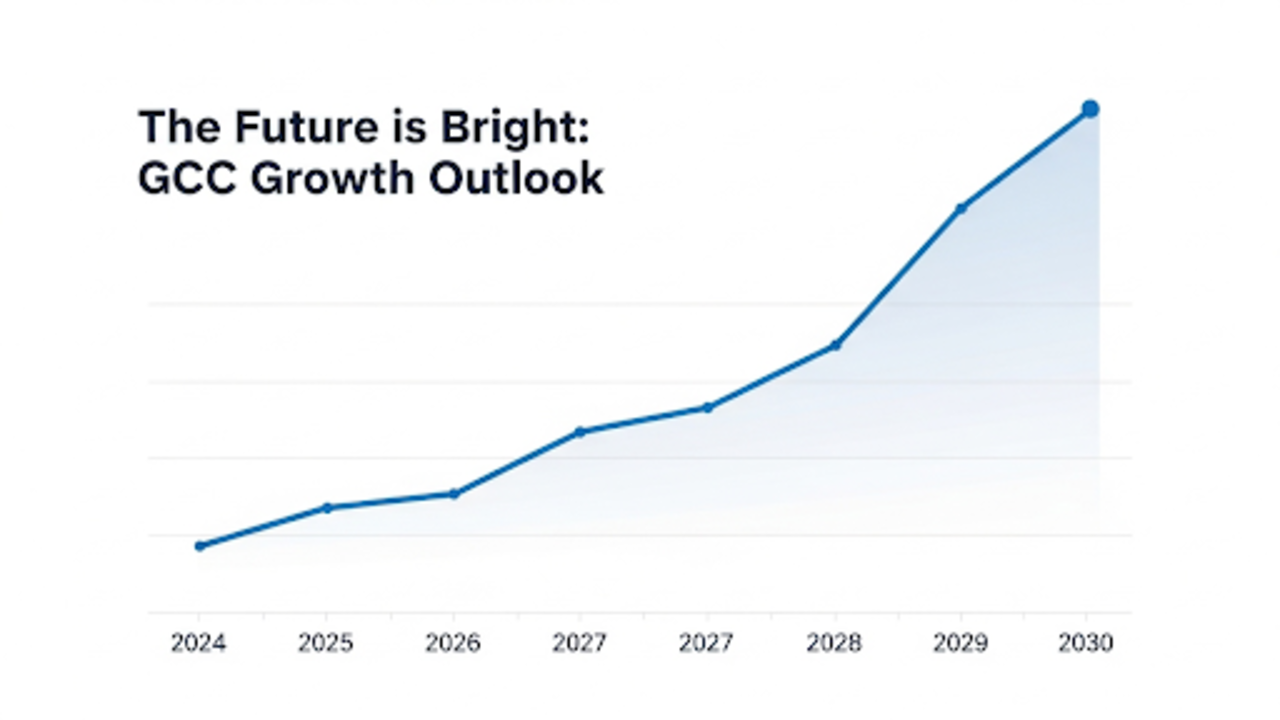
How GCC Economic Diversification Drives 2026 Growth

Actionable Tips for Entering 2026 Foreign Investment Climates