All Categories
Featured
Table of Contents
- – Advancing Human Capital in the United Arab Emi...
- – Operational Quality Through Strategic Talent M...
- – The Function of Continuous Knowing in 2026
- – Progressing Work Environments and Flexible Str...
- – Regulatory Effect On Retention and Movement
- – Technical Proficiency and the Human Component
- – Future Trends in Labor Force Change
- – Preserving a Competitive Edge in the Area

Advancing Human Capital in the United Arab Emirates for 2026
The 2026 labor market in the regional business centers has moved past conventional work designs, preferring a system where human capital is dealt with as a liquid asset. This year, the focus has moved from basic recruitment to deep organizational transformation. Companies are no longer searching for mere ability. They are looking for individuals who can browse the complexities of a 2026 economy where expert system and human intuition should operate in close coordination. This shift specifies how businesses in the surrounding region handle their most important resources.Success in 2026 depends on more than just high salaries. Workers now focus on autonomy, career longevity, and the capability to contribute to meaningful tasks. Organizations that stop working to acknowledge these altering expectations find themselves dealing with high turnover rates. The transition towards human-centric operations needs a rethink of how skill is sourced and kept. Magnate now see workforce advancement as a continuous cycle rather than a one-time onboarding occasion.
Operational Quality Through Strategic Talent Management

Operational efficiency in 2026 is connected directly to the stability of the labor force. High turnover produces gaps in institutional understanding that are hard to fill rapidly. In the local economy, firms are embracing advanced data modeling to predict when workers might consider leaving. By identifying these patterns early, supervisors can step in with personalized development strategies. This proactive technique guarantees that operational strategy stays constant even throughout periods of market volatility.Retention has ended up being a metric of business health. Financiers and stakeholders in 2026 take a look at retention rates as a primary indicator of a company's future performance. A stable workforce suggests that a company has a strong internal culture and clear management. These aspects are necessary for maintaining a competitive edge in the Middle East. When workers remain longer, they establish a much deeper understanding of the business's objectives, which causes much better decision-making and enhanced efficiency throughout the board.The combination of advanced software application has altered the way performance is determined. Instead of annual evaluations, 2026 sees the rise of real-time feedback loops. This consistent communication allows for immediate course correction. It likewise offers workers a sense of security, as they always understand where they stand. This transparency is a foundation of modern-day retention strategies, decreasing the stress and anxiety that typically results in resignation.
The Function of Continuous Knowing in 2026
Education no longer ends at the university level. In 2026, the UAE has seen an enormous rise in internal business academies. These institutions offer specialized training tailored to the particular requirements of the business. By providing these chances, companies in the local market reveal a dedication to their personnel's long-lasting growth. This commitment is typically reciprocated with increased loyalty. Many companies are now investing heavily in GCC Expansion to bridge the gap between scholastic theory and useful application. This financial investment assists employees feel that their profession is advancing without needing to change companies. Upskilling has actually become an everyday activity instead of an occasional workshop. Workers who see a clear path to improvement are significantly more likely to remain with their present firm for 5 years or longer.Micro-credentialing is another pattern dominating 2026. Instead of long-term degrees, employees earn small, proven badges for mastering specific tasks or technologies. These qualifications have high value within the regional task market. Companies that facilitate this kind of learning are considered as partners in a staff member's expert life rather than simply an income source. This partnership model is proving to be one of the most effective tools for talent retention this year.
Progressing Work Environments and Flexible Structures
The physical office in 2026 has actually been reimagined. While some sectors still require a physical existence, numerous companies in the major urban centers have actually transferred to a results-based work environment. This implies workers have more control over when and where they work, supplied they fulfill their objectives. This versatility is no longer a high-end. It is a standard expectation for top-level talent in the 2026 economy.Remote work tech has actually improved to the point where geographic place is secondary to ability. Nevertheless, this has actually also made it easier for skill to be poached by international firms. To counter this, regional business are stressing the social and cultural advantages of staying within the UAE organization community. Producing a sense of belonging is vital. Those who feel connected to their coworkers and the company's objective are less likely to be swayed by a somewhat greater remote salary deal from abroad.The 2026 approach to work-life balance likewise includes a focus on mental well-being. Burnout was a substantial problem in previous years, however current strategies consist of necessary downtime and mental health support as basic parts of an employment agreement. Companies in the area are finding that a rested worker is a more efficient and loyal one. High-pressure environments are being changed by high-support environments.
Regulatory Effect On Retention and Movement
Changes in labor laws and residency authorizations have had an extensive result on the 2026 task market. The expansion of long-term residency alternatives has motivated more migrants to view the UAE as a long-term home rather than a short-lived stop. This shift has changed the state of mind of the workforce. Individuals are now looking for careers that use stability and long-term development within the region.Organizations must align their internal policies with these brand-new guidelines. For example, pension schemes and long-term advantages are ending up being more common as companies attempt to mirror the stability provided by the federal government's residency programs. The concentrate on GCC Expansion ensures that these companies remain compliant while also attracting the very best available talent. Legal clarity has actually decreased the friction typically related to working with and retaining international staff.Nationalization targets have also evolved. In 2026, the focus is on qualitative growth. The goal is to integrate UAE nationals into specialized, high-value roles where they can lead the next phase of financial advancement. This produces a diverse workforce that combines regional insights with worldwide experience. Balancing these requirements needs a nuanced approach to skill management that respects both legal requireds and business requirements.
Technical Proficiency and the Human Component
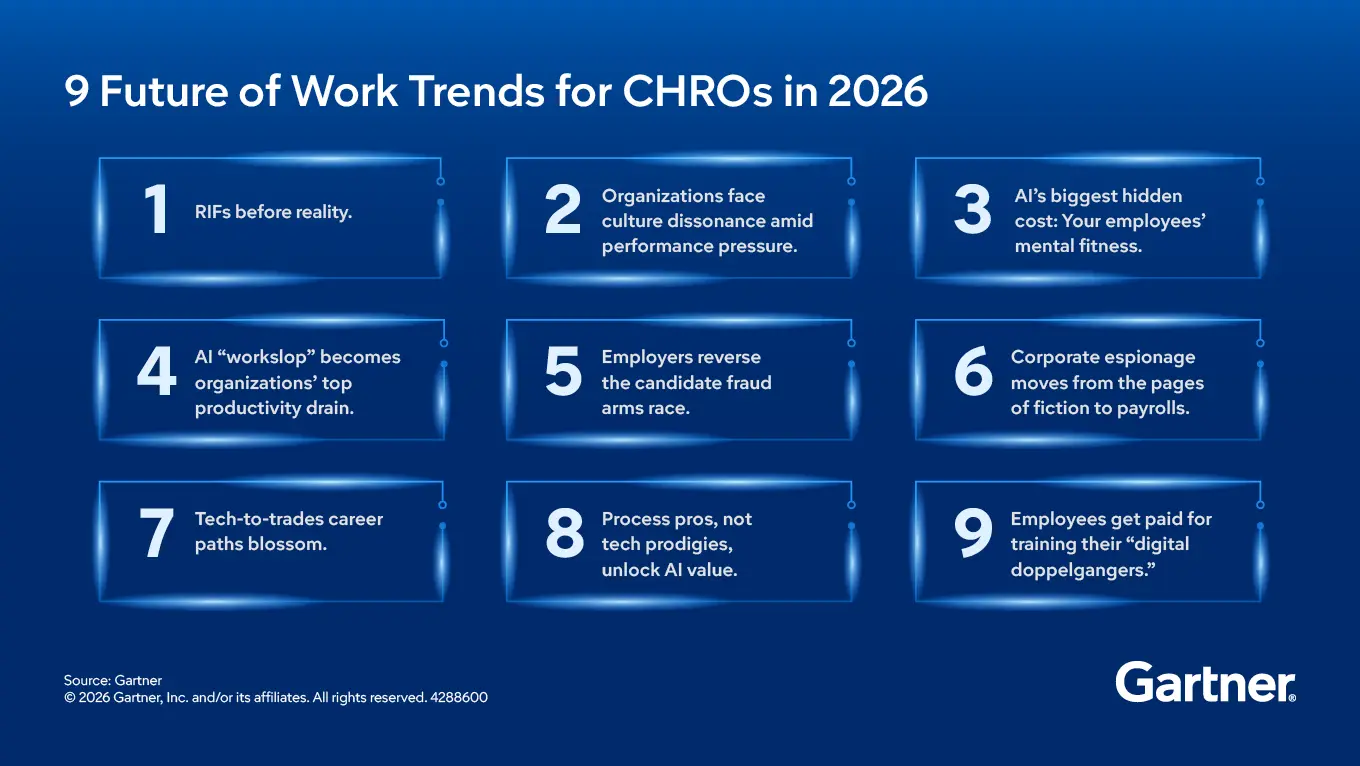
While 2026 is an age of state-of-the-art options, the "human" part of human capital has actually never ever been more essential. Soft abilities like empathy, complex problem-solving, and cross-cultural interaction are the most popular qualities. Makers can deal with data entry and basic analysis, however they can not handle individuals or browse the nuances of a high-stakes settlement in the local business district. Retention techniques now consist of recognizing "high-potential" people who possess these soft abilities and putting them on a management track. Mentorship programs have actually seen a resurgence. Younger employees value the chance to gain from experienced experts who have spent decades in the professional sector. This transfer of knowledge is vital for keeping the quality of work that the region is known for.Leadership designs have actually likewise changed. The 2026 supervisor is less of a manager and more of a coach. They are accountable for getting rid of barriers and supplying the resources their group requires to be successful. This encouraging design of management has actually been revealed to reduce turnover considerably. When workers feel that their supervisor is bought their success, they are more engaged and committed to the company.
Future Trends in Labor Force Change
Looking towards the end of 2026 and into the future, the improvement of human capital will continue to speed up. We are seeing the increase of "project-based" internal movement, where staff members can momentarily join different departments to deal with specific tasks. This avoids stagnation and permits people to widen their abilities without leaving the company. It turns the company into a internal marketplace of opportunities.Sustainability is also playing a function in skill retention. The 2026 workforce, especially more youthful generations, wishes to work for business that have a clear dedication to environmental and social responsibility. Companies in the UAE that can demonstrate a favorable effect on the world discover it easier to attract and keep top-tier talent. This moral alignment is becoming a key differentiator in a congested task market.The use of AI in HR is ending up being more transparent. In 2026, workers are often familiar with the algorithms used to evaluate their efficiency, and they expect these systems to be reasonable and objective. Business that utilize technology to support their personnel, rather than simply monitor them, are seeing the very best results. The focus is on utilizing tools to improve human potential, not to micromanage it.
Preserving a Competitive Edge in the Area
To remain ahead in 2026, companies should remain adaptable. The economy moves fast, and the requirements of the workforce modification just as rapidly. Staying competitive methods being willing to experiment with brand-new management styles and retention tools. What worked in 2015 may not work today. Continuous assessment of human resources practices is needed to guarantee they stay relevant.Data remains the very best good friend of the HR expert. By analyzing trends in the regional market, business can remain one step ahead of their competitors. This may suggest adjusting benefits plans, offering brand-new kinds of training, or altering the method groups are structured. The goal is to produce an environment where the very best individuals desire to work and, more importantly, where they desire to stay.Human capital improvement is not a destination. It is a continuous process of enhancement. As the UAE continues to grow and diversify its economy in 2026, business that prosper will be those that put their individuals initially. By concentrating on development, versatility, and a supportive culture, organizations can develop a workforce that is all set for whatever challenges the future might bring. This commitment to excellence is what defines the 2026 company environment in the wider region.

Table of Contents
- – Advancing Human Capital in the United Arab Emi...
- – Operational Quality Through Strategic Talent M...
- – The Function of Continuous Knowing in 2026
- – Progressing Work Environments and Flexible Str...
- – Regulatory Effect On Retention and Movement
- – Technical Proficiency and the Human Component
- – Future Trends in Labor Force Change
- – Preserving a Competitive Edge in the Area
Latest Posts
Navigating Investment Strategies in a 2026 Economy
How GCC Economic Diversification Drives 2026 Growth
Actionable Tips for Entering 2026 Foreign Investment Climates
Latest Posts
Navigating Investment Strategies in a 2026 Economy
How GCC Economic Diversification Drives 2026 Growth
Actionable Tips for Entering 2026 Foreign Investment Climates